Work You Can Bid
Five revenue lines one rig covers — with what each pays, what it demands, and what to watch out for.
Bed Liners, Fleet & Vehicle Work
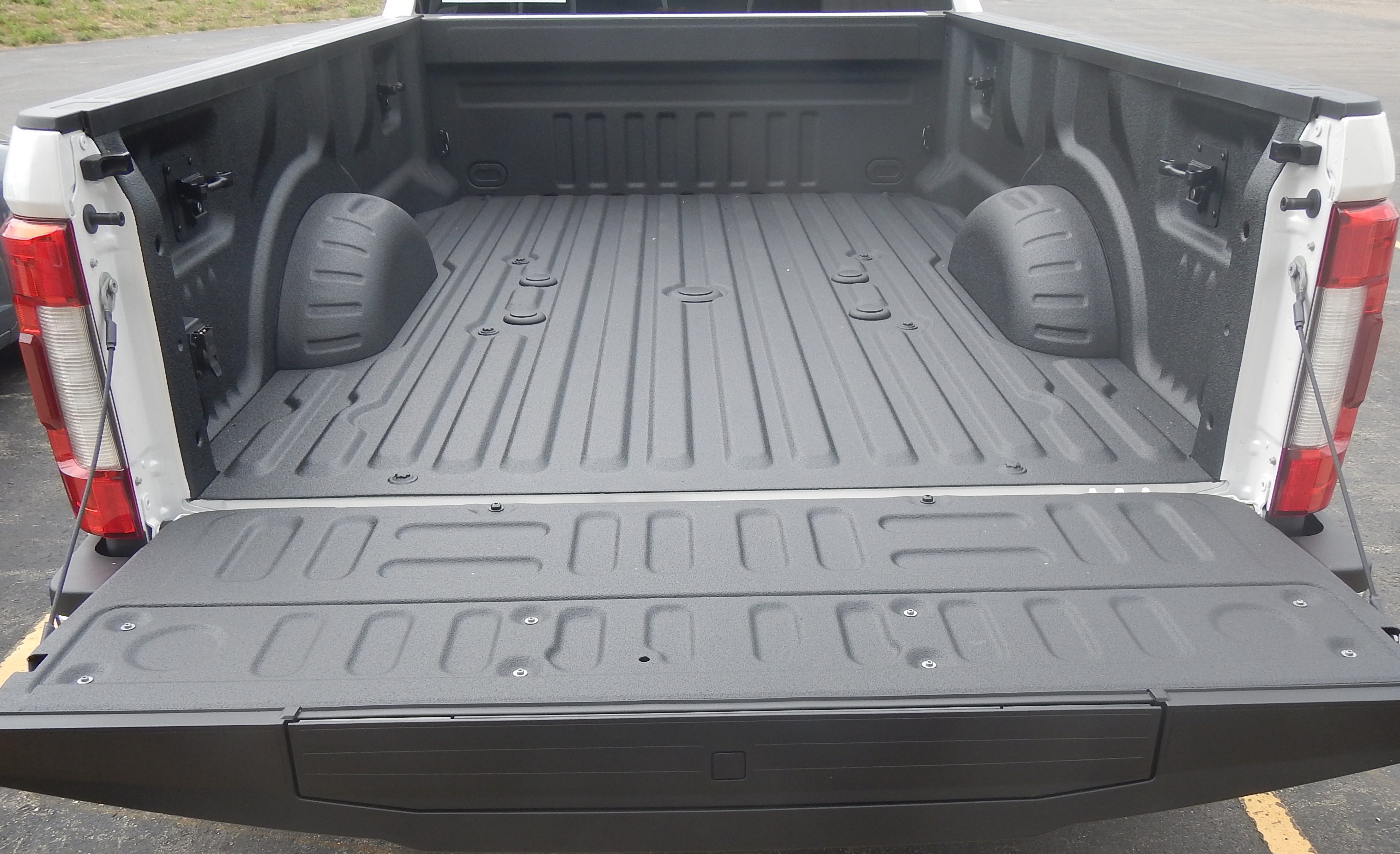
The entry point for most crews, and worth understanding clearly: high demand, quick turnaround, and the customer is already sold on the concept before they call. It is also the most competitive segment with the thinnest margin per hour of bay time.
The way to make it work is contracts rather than walk-ins. A municipal fleet, a utility, or a regional carrier gives you schedulable volume that fills bays between reactive work, and they buy on total cost of ownership rather than price per bed.
Bid spec: FJ1 at 60–80 mil on bed floor and walls, OR93BL at 30–40 mil on frame, crossmembers, and underbody. Price masking time honestly — it is the majority of the labour.
Fabrication Shop Contract Coating
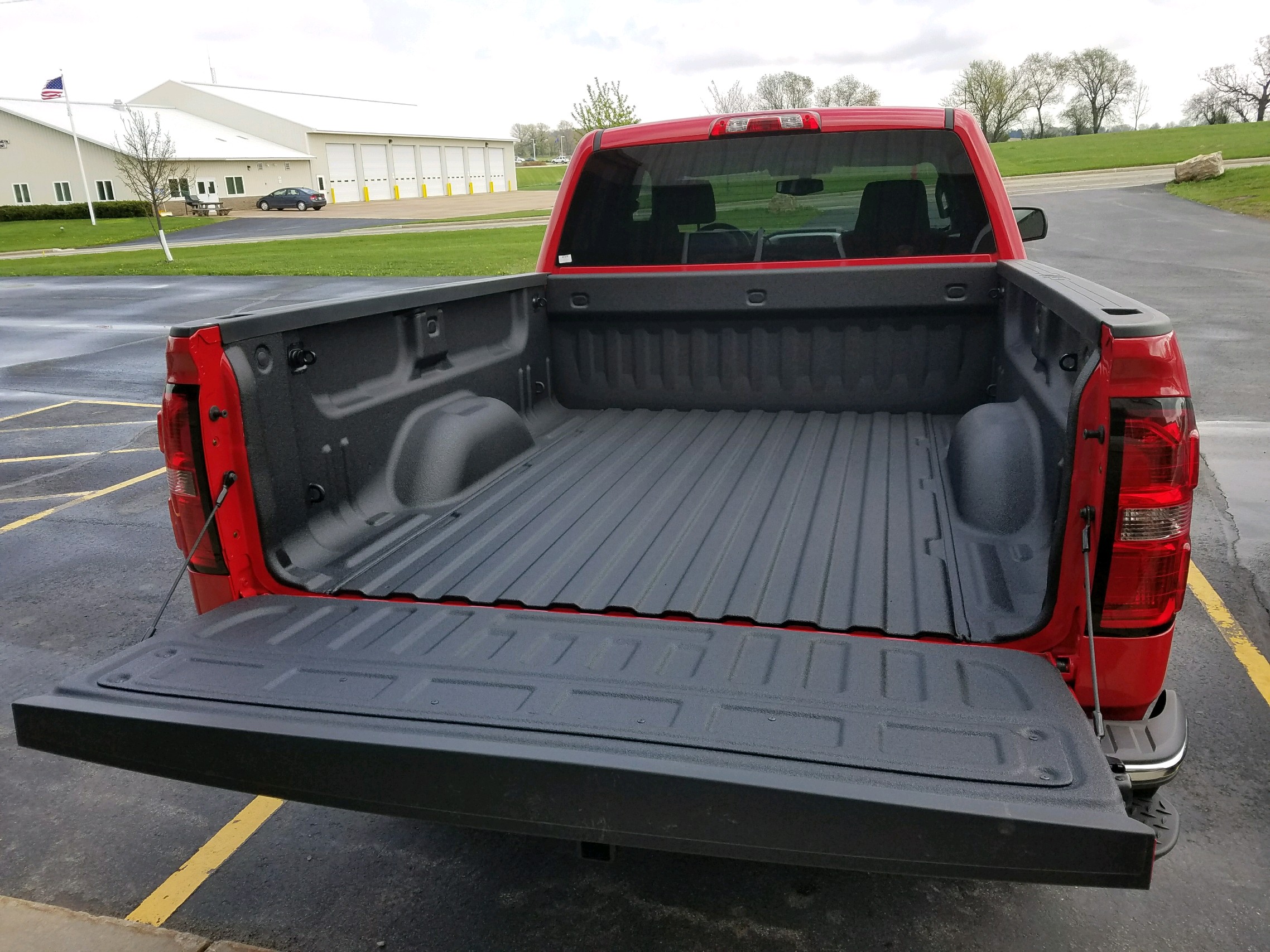
The most underrated line of work in the category. A fabricator with steady output needs parts coated on a schedule, indoors, with good access and no weather risk — and they will pay by the square foot rather than haggling per unit.
The pitch to them is throughput, not chemistry: single-pass application means their parts are handling-ready in minutes instead of occupying floor space through a three-coat cure cycle. That argument lands with a plant manager in a way that adhesion numbers do not.
Watch the blast-to-coat handoff. If their blast crew works ahead of you and parts sit overnight, you are spraying over flash rust and it will come back on you.
Bid spec: OR93BL at 40–60 mil over SP6, 2–4 mil profile, coated same shift as blasting.
Plant Maintenance & Shutdown Work
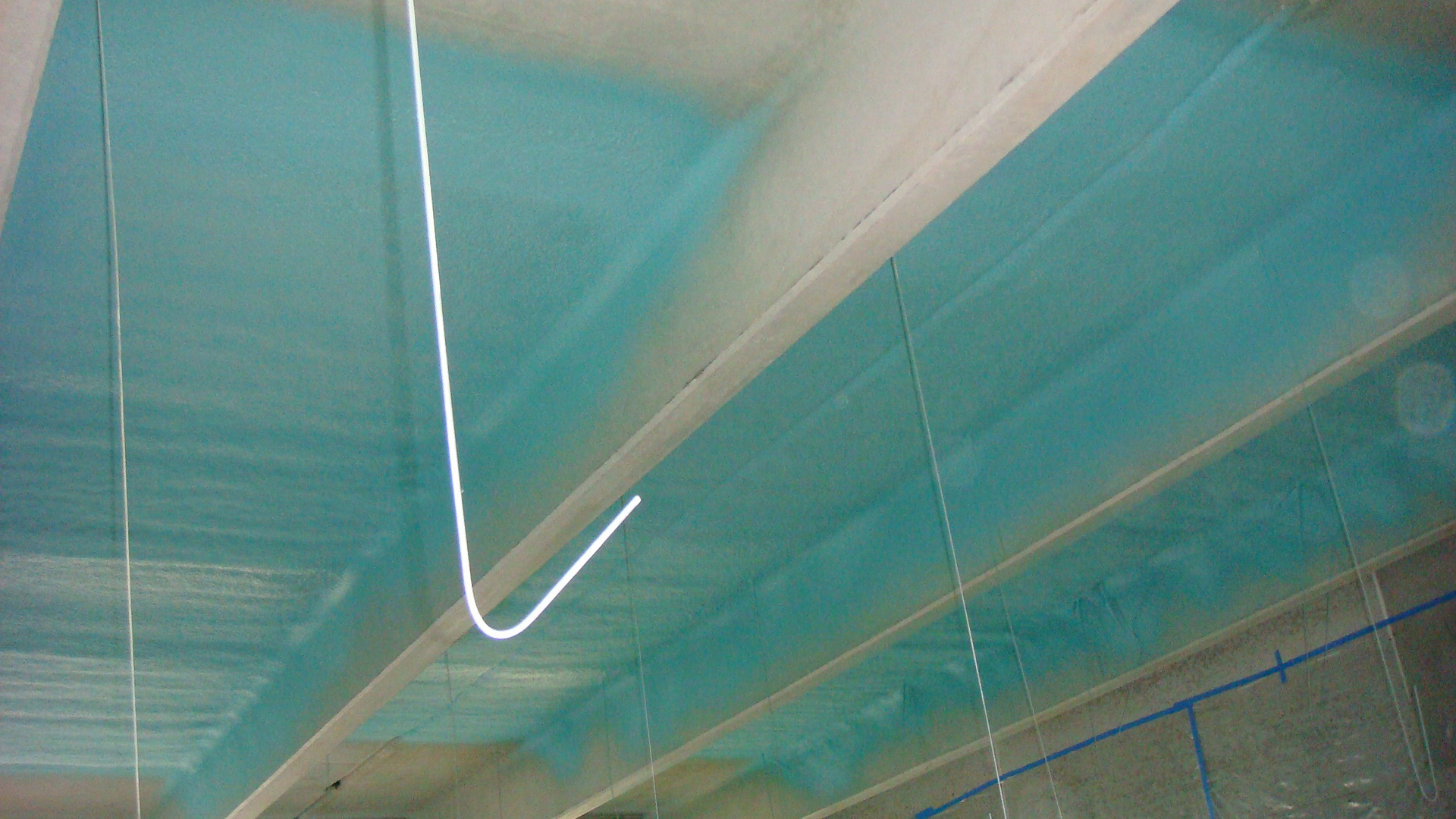
Shutdown work prices well because the window is hard and the customer's cost of overrunning it dwarfs your invoice. Single-pass polyurea is a genuine competitive advantage when the alternative bidder needs three coats and two return trips.
It also demands more of you: SP3 prep discipline over tight rust, containment and masking around live equipment, confined-space procedure on tanks and sumps, and documentation the plant's reliability group will actually read.
Be straight with the customer about the reduced-warranty condition on SP3 overcoating. Applicators who explain that up front get repeat work; ones who let it surface later do not.
Bid spec: OR93BL at 30–40 mil over SP3-prepped tight rust with 7001 primer on aged coating; 60 mil in splash and drip zones.
Wear Lining in Flak Jacket Pro
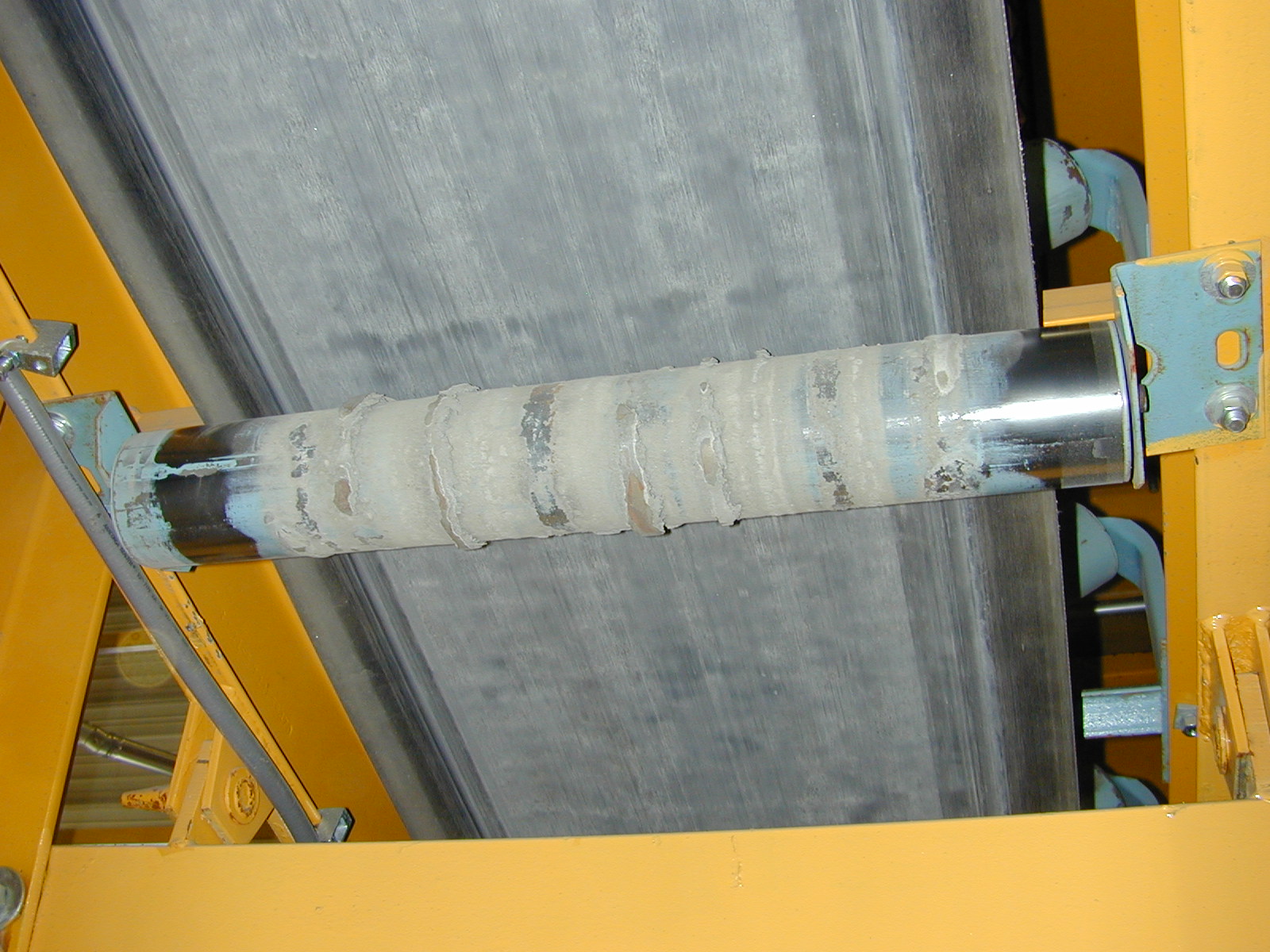
The best-margin work available to a polyurea crew, largely because very few competitors carry the grade or know how to bid it. Chutes, hoppers, skirtboards, dump bodies, and transfer points where material flow has been grinding steel away for years.
Material cost per square foot is high and so is the price. What sells it is the comparison: replacing a liner plate assembly versus spraying a membrane in a single shift, with no fasteners, no gaps, and no fabrication lead time.
Take thickness readings before you quote. If the plate underneath has lost section, you are lining a repair somebody else needs to make first, and you want that in writing.
Bid spec: Flak Jacket Pro at 80–120 mil on wear faces, OR93BL at 40 mil on surrounding structure — sprayed the same day, bonded at the boundary.
Roofs, Envelopes & Ag Buildings
Large square footage per mobilization, which is where an E-30 class rig pays for itself. The competition is roof paint programs and single-ply overlays, and the elastomeric argument is easy to make: 300–400% elongation absorbs the daily thermal cycling that opens laps and backs fasteners out.
Ag work is adjacent and often better: livestock buildings, potato and produce storage, milking parlors, and equipment. Aggressive chemical environment, motivated owners, and far less competition than commercial roofing.
Weather windows and safety planning drive the schedule here more than material does. Bid accordingly.
Bid spec: 7001 primer at laps, seams, and fasteners; OR93BL at 40–60 mil field; FJ1 at 60 mil where crews walk the roof or hail is a factor.
Other Jobs Crews Pick Up With the Same Rig
- Tank and containment lining — confined space procedure required, holiday testing as a deliverable, prices well
- Trailer and flatbed decks — steel, wood, or both in the same pass with 7001 over the timber
- Marine, dock, and davit steel — chloride verification mandatory before you quote, let alone spray
- Classic vehicle and restoration work — floor pans, frames, inner fenders; slow, detailed, and priced by the hour
- Compactors, balers, and waste handling — leachate corrosion plus abrasion, recurring customers
- Concrete curbs, bunds, and equipment pads — profile to CSP 3–5 and check moisture vapor before committing
- Guardrail, bollards, and municipal steel — public bid work, schedulable, low complexity
Bidding Something Outside Your Usual Mix?
Send the scope. We will help you spec it, run the consumption math, and flag whatever is going to bite you on site.
Get Bid SupportRequest Wholesale Pricing
Tell us about your project and we will follow up with product details, technical data sheets, and pricing.